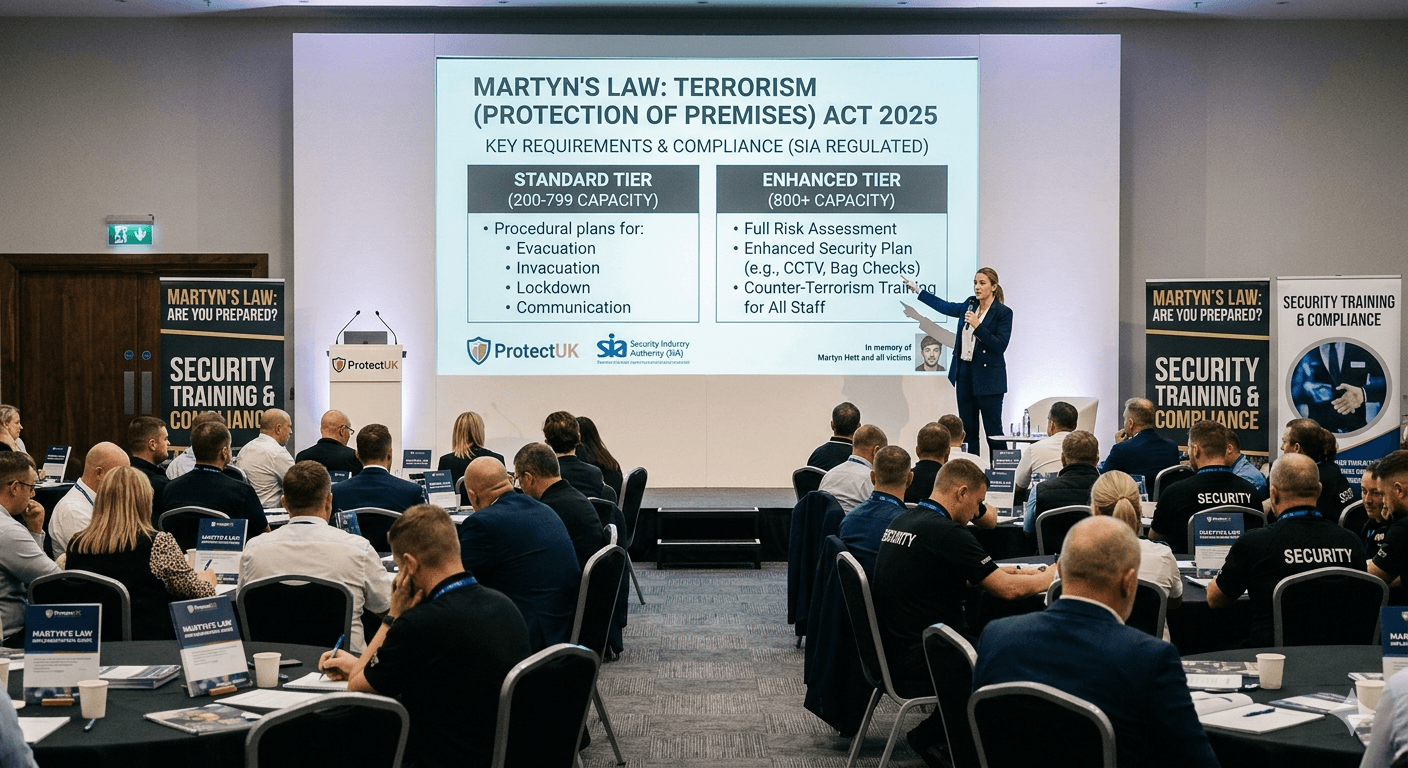
For schools, preparing for Martyn’s Law is not only about compliance—it is about creating a safer environment for students, staff, and visitors.
Schools are places where students should feel safe, supported, and able to learn without fear. However, modern security challenges mean that educational institutions must also be prepared for potential emergencies. Martyn’s Law, also known as the Protect Duty, aims to ensure that public spaces take appropriate steps to improve safety and preparedness against terrorist threats.
For schools, preparing for Martyn’s Law is not only about compliance—it is about creating a safer environment for students, staff, and visitors.
Martyn’s Law is proposed UK legislation designed to improve security and preparedness at publicly accessible locations. The law is named in memory of Martyn Hett, who was one of the victims of the Manchester Arena bombing in 2017.
The goal of the legislation is to ensure organisations take proportionate steps to reduce the risk of terrorist attacks and improve response capabilities if an incident occurs.
While originally focused on venues and public spaces, the principles are increasingly being applied across sectors—including education—to strengthen preparedness and resilience.
Schools regularly host large numbers of people, including students, staff, parents, and visitors. Assemblies, sporting events, and school functions can significantly increase the number of people on site at any given time.
Preparation helps schools:
Proactive planning reduces confusion during emergencies and ensures that everyone knows what actions to take.
A key part of preparing for Martyn’s Law is carrying out a security risk assessment.
Schools should review:
The aim is to identify vulnerabilities and implement reasonable measures to reduce risks.
Schools should have a well-defined emergency response plan that staff can easily follow during a crisis.
This plan should include:
Regular drills and updates ensure that procedures remain effective and familiar to staff members.
Policies alone are not enough—staff must also be trained to respond confidently in real situations.
Training should cover:
Well-trained staff can help maintain calm, guide students safely, and support emergency responders when needed.
Preparedness should be part of the overall culture within a school.
This includes:
When safety is embedded in everyday practices, schools become more resilient and better prepared to handle unexpected situations.
Preparing for Martyn’s Law is about more than meeting future legal requirements—it is about protecting the people who rely on schools to provide a safe learning environment.
By conducting risk assessments, strengthening emergency plans, and training staff effectively, schools can ensure they are ready to respond to potential threats while maintaining a supportive and secure atmosphere for education.
Preparedness today helps create safer schools for tomorrow.